
Composite doors have become one of the most popular choices for modern homes across the UK. Known for their durability, security, and low maintenance, they offer a long-lasting alternative to traditional timber doors.
But what happens if you want to change the colour? Can composite doors be painted, or is it better to replace them altogether?
In this guide, we’ll explore whether painting a composite door is possible, the pros and cons, and what you should consider before picking up a paintbrush.
What Is a Composite Door?
Before answering the main question, it’s important to understand what a composite door actually is.
Composite doors are made from a combination of materials, typically including a solid timber core, insulating foam, and a durable outer skin made from GRP (glass-reinforced plastic). This layered construction makes them strong, energy efficient, and highly resistant to weathering.
Unlike traditional wooden doors, the colour on a composite door isn’t simply painted on – it’s usually embedded into the outer layer during manufacturing. This creates a long-lasting, fade-resistant finish that requires very little upkeep.
Can You Paint a Composite Door?
The short answer is: yes, you can paint a composite door – but it’s not always recommended.
While composite doors aren’t designed to be painted, it is possible to do so if the correct preparation and materials are used. However, just because you can paint a composite door doesn’t necessarily mean you should.
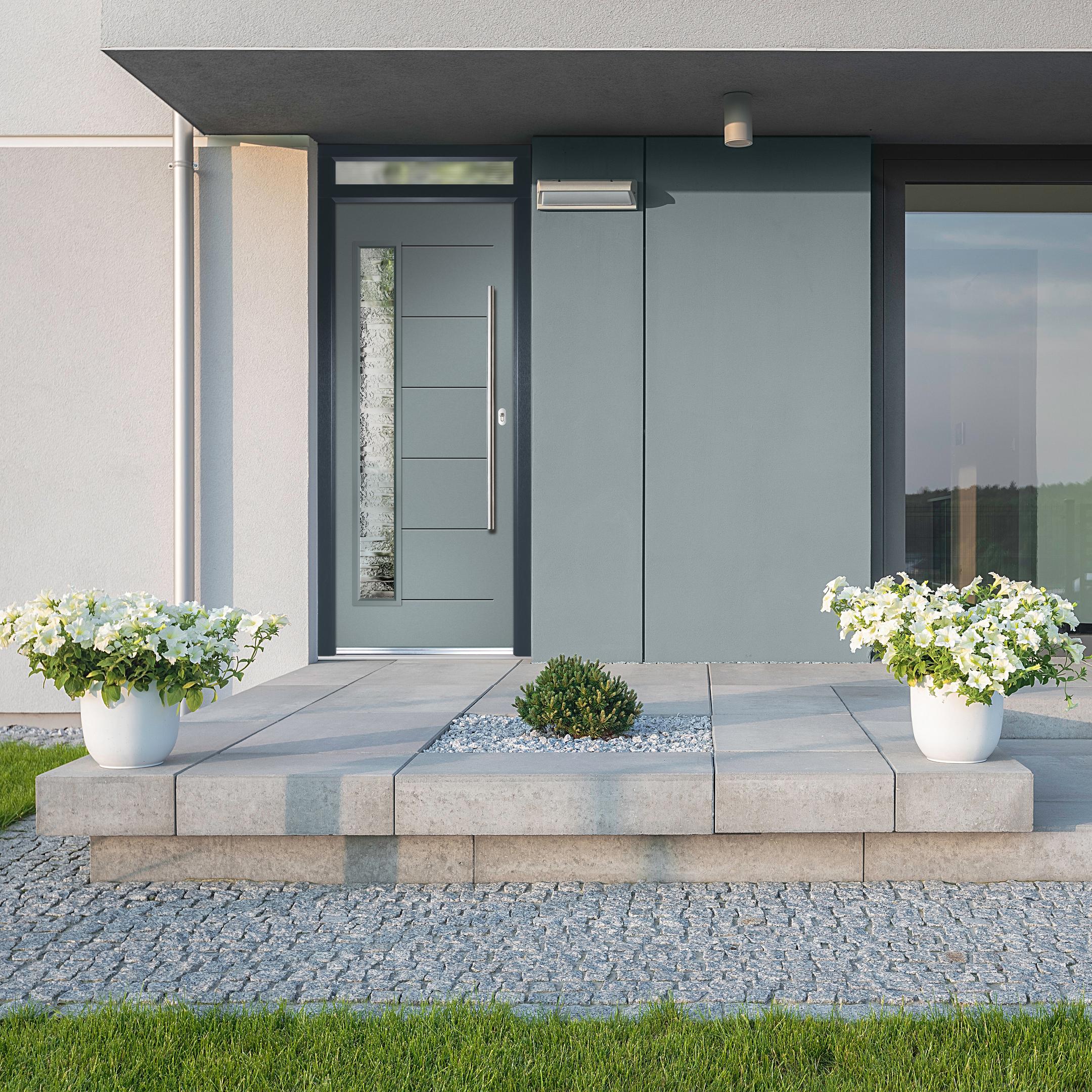
Why Composite Doors Don’t Need Painting
One of the biggest advantages of composite doors is that they are designed to be low maintenance. Thanks to their durable outer skin, composite doors:
- Resist fading, even in strong sunlight
- Withstand harsh weather conditions
- Don’t peel, crack, or warp like timber doors
Because of this, they typically don’t require repainting throughout their lifespan. In fact, many manufacturers design them to maintain their colour and finish for decades. This is very different from wooden doors, which often need repainting every few years.
The Downsides of Painting a Composite Door
If you’re considering painting your composite door, there are a few important drawbacks to keep in mind.
1. Reduced Durability
A factory-finished composite door is designed to last for many years. Once painted, however, the new finish won’t be as durable.
In most cases, a painted composite door will need repainting every 3–5 years to maintain its appearance.
2. Risk of Peeling or Flaking
Composite materials aren’t naturally designed to hold paint. If the wrong type of paint is used, or if preparation isn’t done properly, the paint may:
- Peel
- Crack
- Flake over time
This can leave your door looking worse than before.
3. Warranty Concerns
Painting your composite door could void the manufacturer’s warranty, particularly if incorrect products are used. Many suppliers advise against painting for this reason, as it alters the original protective finish.
4. Time and Effort
Achieving a professional finish isn’t a quick job. Proper painting requires:
- Thorough cleaning
- Sanding
- Priming
- Multiple coats of specialist paint
Without this process, the results are unlikely to last.
When Might You Consider Painting?
Despite the drawbacks, there are situations where painting a composite door might make sense. For example:
- You’ve moved into a property and dislike the existing door colour
- Your door is older and has lost some of its original finish
- You want to match a new exterior colour scheme
In these cases, painting can be a cost-effective way to refresh your home – provided it’s done correctly.
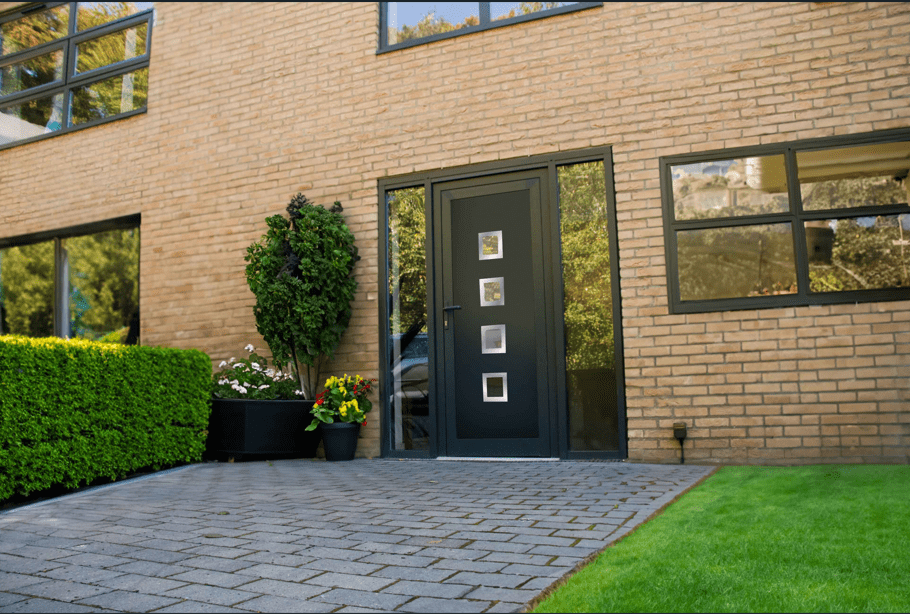
How to Paint a Composite Door
If you do decide to go ahead, preparation is key to achieving a good result.
Step 1: Clean the Surface
Remove dirt, grease, and residue using a suitable cleaner. The surface must be completely clean for paint to adhere properly.
Step 2: Lightly Sand
Gently sand the surface to create a slightly rough texture. This helps the primer and paint bond to the door.
Step 3: Apply a Primer
Use a primer specifically designed for composite or uPVC surfaces. This is essential for ensuring adhesion.
Step 4: Choose the Right Paint
Avoid standard wood or oil-based paints, as these won’t adhere properly. Instead, opt for a high-quality exterior paint, such as acrylic or specialist composite paint.
Step 5: Apply Thin Coats
Apply multiple thin coats rather than one thick layer. This helps achieve a smoother, longer-lasting finish.
Is It Better to Replace Instead?
In many cases, replacing your composite door may be a better long-term solution than painting.
Modern composite doors come in a wide range of colours, finishes, and styles – often with the option for bespoke RAL colours. This means you can achieve the exact look you want without compromising durability.
A new door will also:
- Maintain its finish for longer
- Offer better performance and insulation
- Preserve manufacturer warranties
So, if your goal is a long-lasting transformation, replacement is often the smarter investment.
So, Can Composite Doors Be Painted?
Yes, but with caution.
While it is technically possible to paint a composite door, it’s not what they were designed for. Their factory-applied finish is far more durable and long-lasting than any aftermarket paint job.
If you’re looking for a quick refresh, painting can work, provided you use the right products and follow the correct process. However, if you want a long-term solution with minimal maintenance, choosing a new composite door in your preferred colour is usually the better option.
At Trade Window Centre, we manufacture high-quality composite doors designed to stand the test of time – so you won’t need to worry about repainting or ongoing maintenance. With a wide range of styles, colours, and durable finishes, our doors are built to keep their look and performance for years to come. Get in touch with us today on 01909 317 111 to start your transformation.
