
When it comes to choosing the right front door, homeowners want something that offers durability, security, and style. One of the most popular options in recent years is the composite door, a smart alternative to traditional wooden or uPVC doors. Designed to combine strength, insulation, and aesthetic appeal, composite doors have become a go-to choice for those looking to enhance their property’s exterior. But there’s one common question that comes up, do composite doors fade over time?
If you’re investing in a new front door, it’s natural to want it to maintain its fresh, bold look for years to come. In this blog, we’ll explore whether composite doors fade and how manufacturers combat it, and what you can do to keep your door looking like new.
What Are Composite Doors Made Of?
Before diving into fading, it’s useful to understand what composite doors are made from. Unlike traditional doors made of a single material, composite doors are constructed using a combination of high performance materials:
- uPVC (unplasticised polyvinyl chloride) for weather resistance
- Timber for strength and rigidity
- Foam core for insulation
- Glass Reinforced Plastic (GRP) or fiberglass skin for durability and a realistic woodgrain effect
This layered construction gives composite doors their low maintenance profile. But how does this affect their resistance to fading?
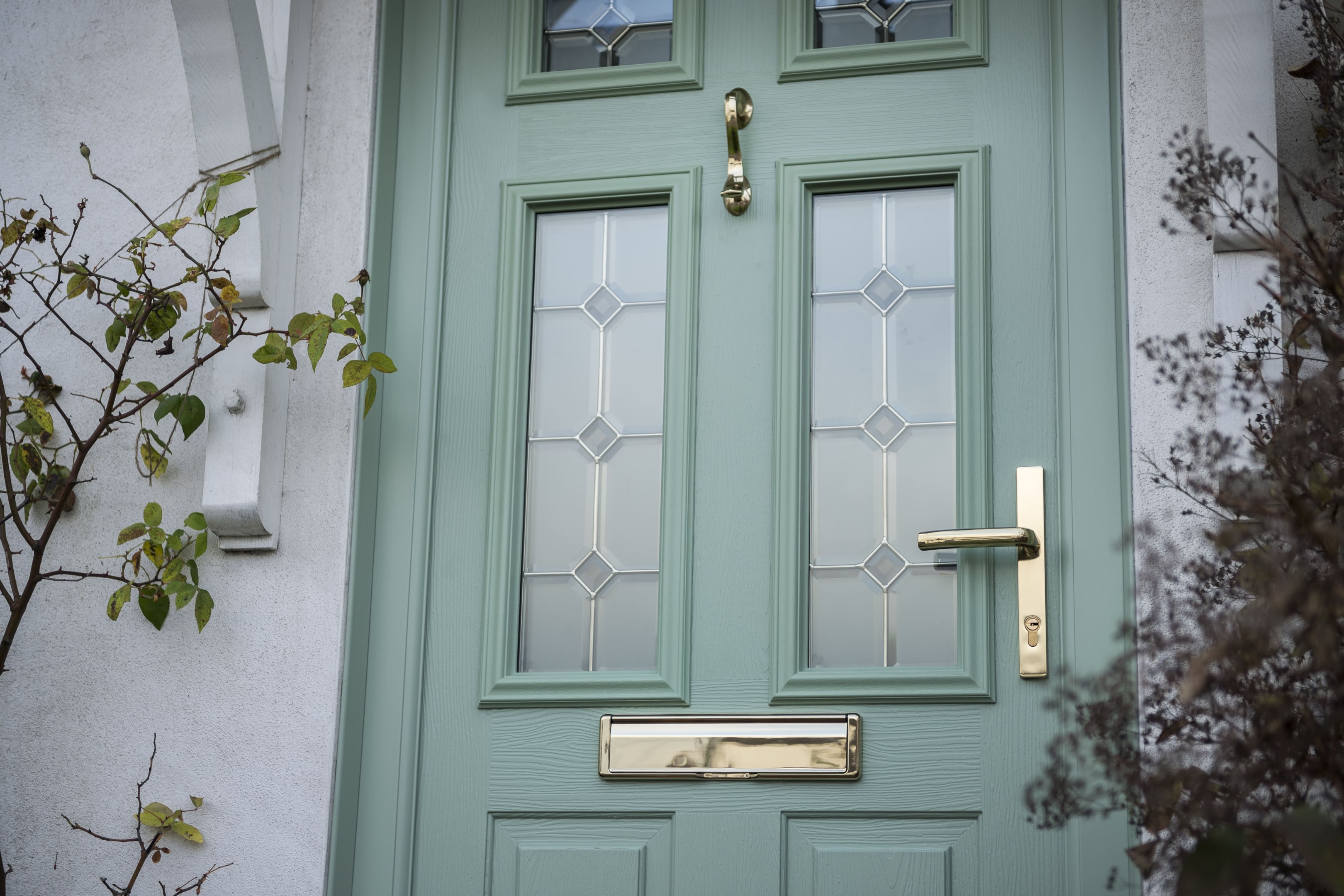
So, Do Composite Doors Fade?
The Short Answer: Not Easily
Unlike timber doors, modern composite doors are specifically designed to resist fading. Unlike painted wooden doors, which can peel and lose colour due to sunlight exposure and weathering, high-quality composite doors are manufactured with a durable outer skin, typically made of GRP, that retains its colour for many years.
If your composite door does fade and you want to know if you can paint over it, find out more here!
Why Do Doors Fade?
Fading occurs due to UV radiation from the sun. When UV rays hit the surface of a material, they can break down the chemical bonds in the pigments that give the material its colour. Over time, this results in a washed-out or lighter appearance.
Other factors that contribute to fading include:
- Enduring harsh weather conditions
- Air pollution
- Harsh cleaning chemicals
- Poor-quality finishes or materials
With composite doors, fading is much more difficult as they are designed to prevent this.
What Makes Composite Doors Resistant to Fading?
Manufacturers of quality composite doors take multiple steps to ensure their products are fade-resistant.
1. UV-Stable Colours
High-end composite doors use UV-stable pigments that are specially formulated to withstand sunlight without breaking down quickly. These pigments maintain colour integrity much longer than standard paints.
2. GRP Skin (Glass Reinforced Plastic)
The outer layer of most composite doors is made of GRP. This material is not only tough and impact-resistant but also has excellent weathering properties. It doesn’t absorb moisture, and it resists cracking and peeling.
3. Factory Finishes
Composite doors are typically finished in a controlled factory environment, where they’re treated with protective topcoats that seal in the colour. These finishes add a layer of protection against UV rays, helping the door maintain its look for years.
4. Rigorous Testing
Leading manufacturers test their doors in extreme weather conditions, including prolonged UV exposure. Doors that pass these tests are certified to retain colour and structural integrity even after years of exposure.
Do Certain Colours Fade More Than Others?
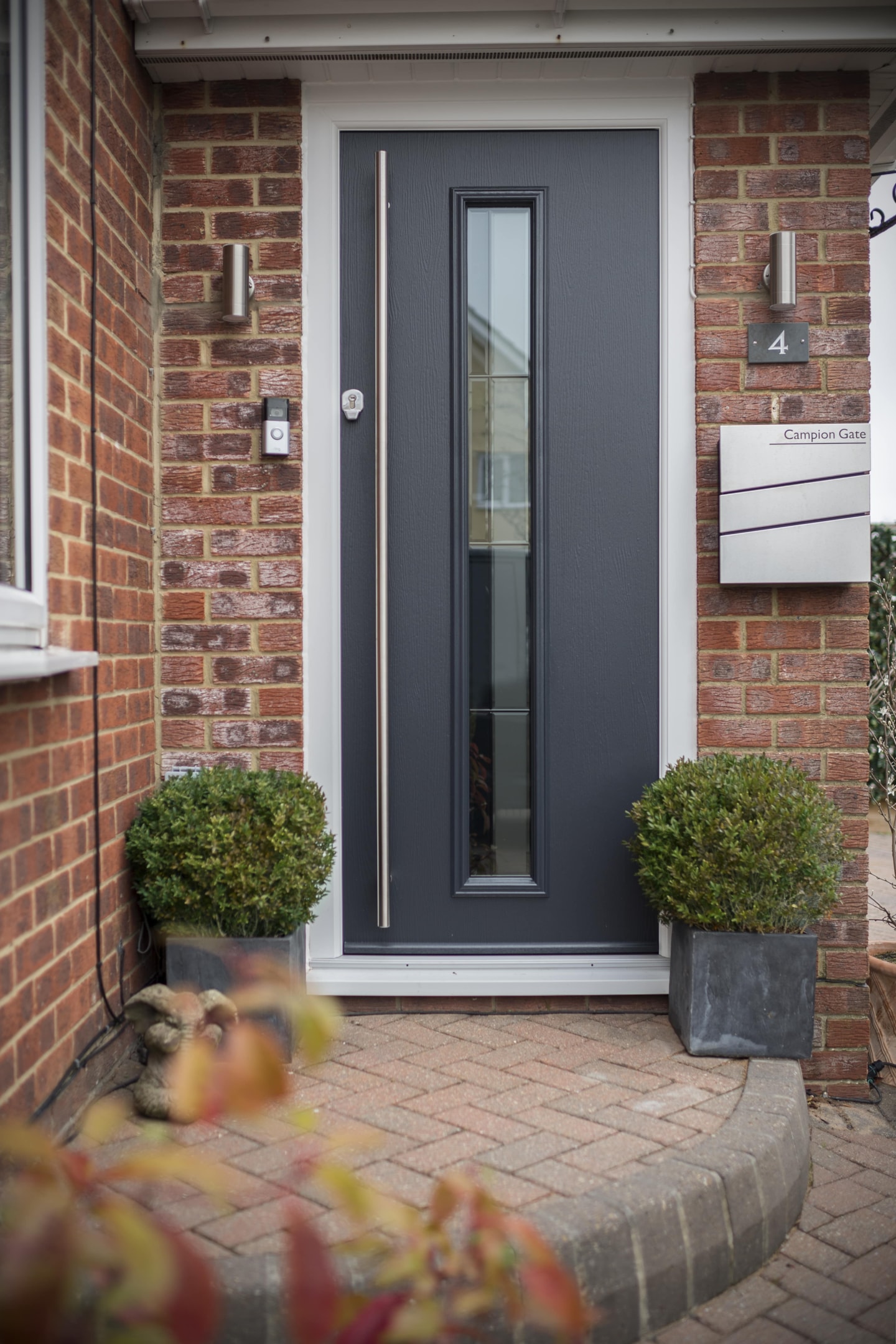
Yes, just like with cars or outdoor furniture, darker colours tend to show fading more than lighter ones. A navy blue or dark red door, for example, might show slight fading faster than a white or light grey door. However, this doesn’t mean you should avoid dark colours, especially if you’re choosing from a reputable brand that uses fade-resistant finishes.
To further slow down fading, consider:
- Installing a porch or canopy to shield the door from direct sunlight
- Choosing a lighter colour if your doors surface is in direct sunlight
- Cleaning and maintaining the door with appropriate products
How to Maintain a Composite Door and Prevent Fading
Even though composite doors are low-maintenance, a little regular maintenance goes a long way in keeping them looking their best.
Cleaning Tips:
- A simple wipe down can improve your kerb appeal, by cleaning your door with warm soapy water and a soft cloth every few months to remove dirt and pollutants.
- Avoid harsh chemicals or abrasive materials that could damage the topcoat.
- Don’t use high-pressure washers directly on the door.
Composite Doors Are Built to Last
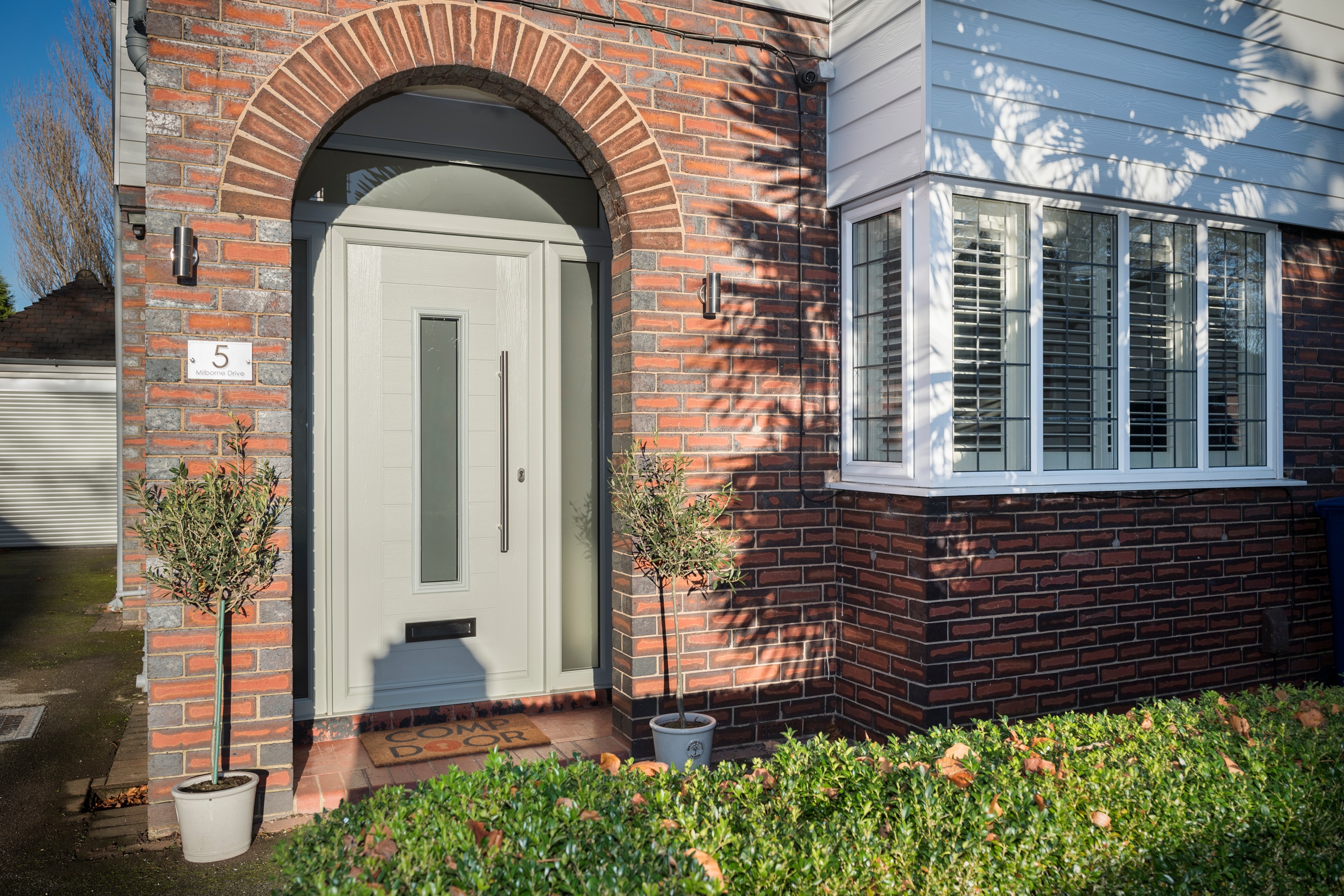
So, do composite doors fade? No. Thanks to their advanced materials and finishes, composite doors are far more resistant to fading than traditional timber doors or cheaper uPVC options. If you choose a high-quality door from a reputable manufacturer, invest in a quality door installer, and have a regular cleaning plan, you can expect it to retain its vibrant colour and finish for a decade or more.
In other words, composite doors aren’t just a stylish, secure, and thermally efficient choice, they’re also a great investment for long-lasting kerb appeal.
Here at Trade Window Centre we offer a wide range of composite doors, that are built to last, in a range of different styles and colours. From a sleek Chartwell green composite door to traditional white, we have a variety of colours to suit any home style. Looking for a new composite door? Get in contact with our team on 01909 317 111. Alternatively design online below.
